Village · Firgas
Firgas
Firgas is a small town in the north of Gran Canaria, known as the "Village of Water". The landmark is the Paseo de Gran Canaria, a stepped promenade with a 30-meter-high waterfall and ceramic benches. Firgas is the source of the mineral water that is drunk throughout the Canary Islands.

The Village of Water
Firgas is located in the north of Gran Canaria at about 465 meters altitude and is known as the village of water. Springs, fountains, ponds, and an old water mill characterize the place. The name goes back to "Afurgad," the settlement of the Canarian indigenous people at this location. Firgas is also famous for its mineral water "Agua de Firgas." The place is a small spa town with its own bottling plant. About half of the water is consumed on Gran Canaria, the rest is delivered to the other islands.
Paseo de Gran Canaria and Paseo de Canarias
The highlight is the Paseo de Gran Canaria, a stepped promenade in the middle of town. A waterfall runs along its entire length, up to 30 meters high, cascading the water down. Along the edge are 22 benches made of ceramic tiles representing the municipalities of the island. At the upper end stands the Casa de la Cultura.
The adjoining Paseo de Canarias shows the seven Canary Islands as reliefs on the ground, each with a typical landscape. This way you can walk through the entire archipelago in just a few minutes. Both promenades are among the most famous postcard motifs of Gran Canaria.
Plaza San Roque and View
In the town center is the Plaza San Roque with the church of the same name and the town hall. The current church was consecrated in 1845 and stands on the remains of the former parish church, which was founded on the chapel of San Juan Ortega from 1502. Inside, it's worth taking a look at the colored glass windows if the doors are open. From the viewpoint at the plaza you have a wide view over the north of the island.
Mill and Hiking Trails
The sights also include the mill of Firgas, which was powered by water. Additionally, six circular hiking trails through the surrounding area start at Plaza San Roque, ideal for anyone who wants to take in some nature after strolling through town.
Festivals and Cuisine
In August, Firgas celebrates the feast of its patron saint San Roque, with a procession, romería, livestock market, the "Traída del Palo" and the "Noche de San Roque" with folk music. The local cuisine includes Potaje de Berros, a stew with watercress, white beans, and potatoes.
Getting There
- By bus from Las Palmas you'll be traveling for over 1 hour, from Playa del Ingles 2 hours or more. In comparison by car: Las Palmas -> Firgas: 30 min. | Playa del Ingles -> Firgas: 1 hour. Therefore, the recommendation is to go by car, also because you can reach other worthwhile places more easily and quickly.
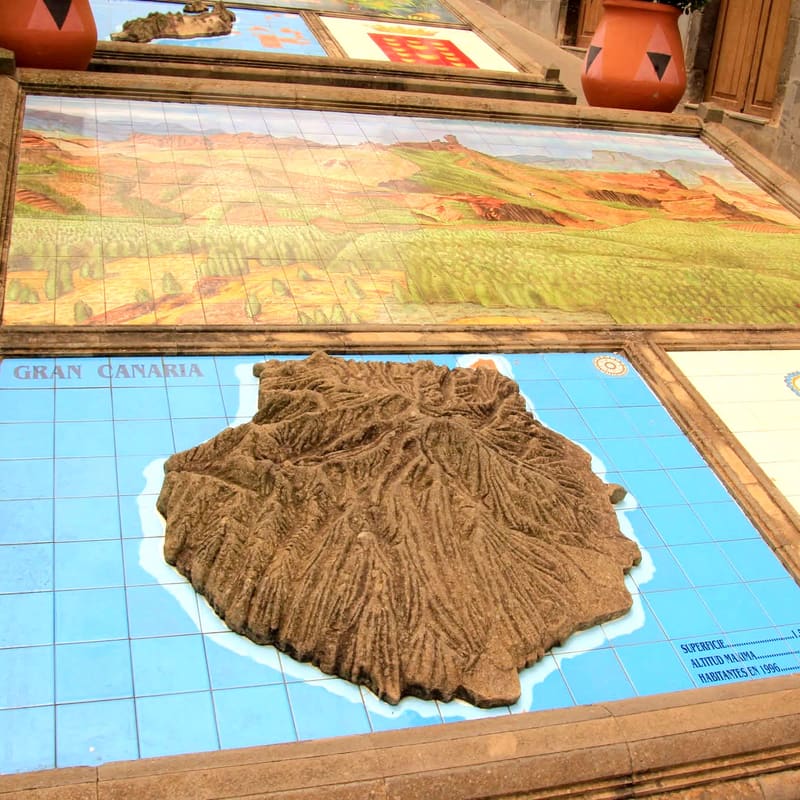
Foto: Robert F. 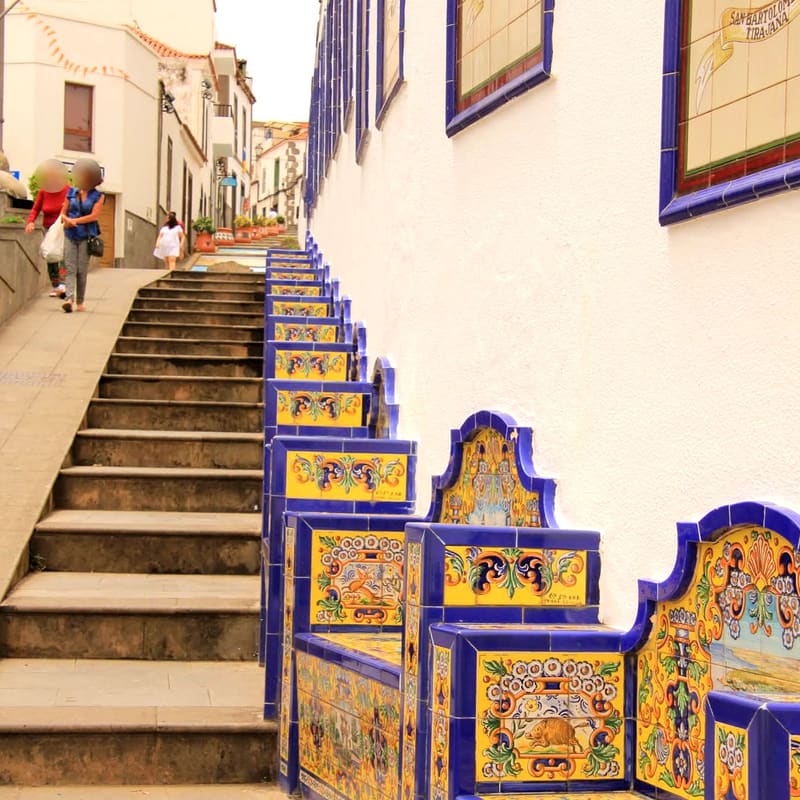
Foto: Robert F. 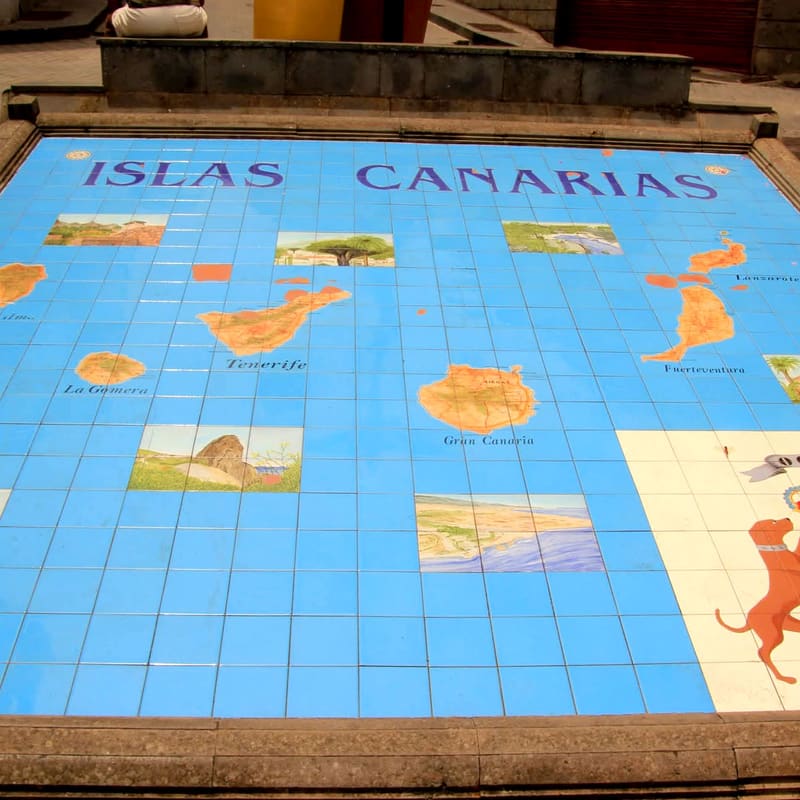
Foto: Robert F.


Lage
In der Nähe
Ort
Arucas
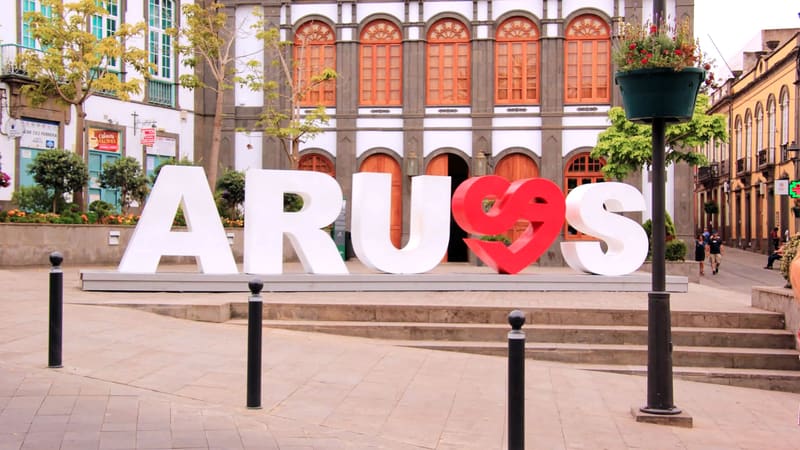
Arucas ist eine Stadt im Norden von Gran Canaria, geprägt von der riesigen neugotischen Kirche aus dunklem Lavagestein, die Einheimische "Kathedrale" nennen. Dazu kommen die Rumdestillerie Arehucas, der botanische Garten Jardín de la Marquesa und ein gepflegter Altstadtkern.
Aussichtspunkt
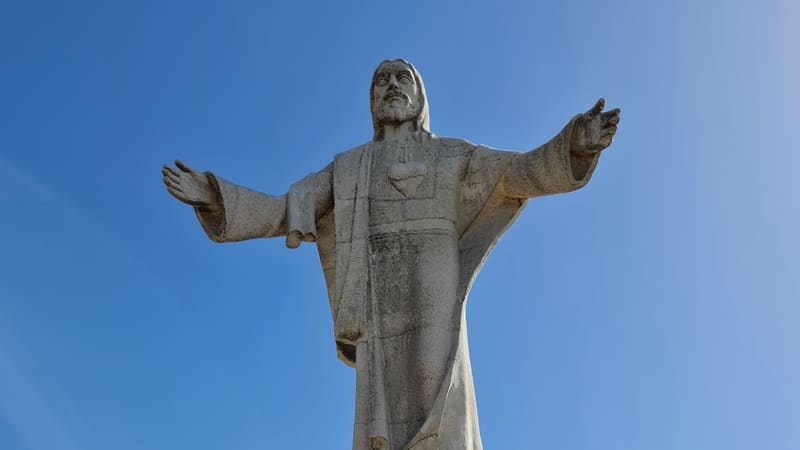
Mirador del Corazón de Jesús
Warum nach Rio de Janeiro, wenn du Jesus mit ausgebreiteten Armen auch auf Gran Canaria findest? Oberhalb von Artenara, dem höchstgelegenen Dorf der Insel, steht auf dem Berg La Cilla eine 8,5 Meter hohe Christusstatue und blickt über das Dorf und die Berge. Ein kurzer Abstecher mit weitem Panorama.
Sehenswürdigkeit
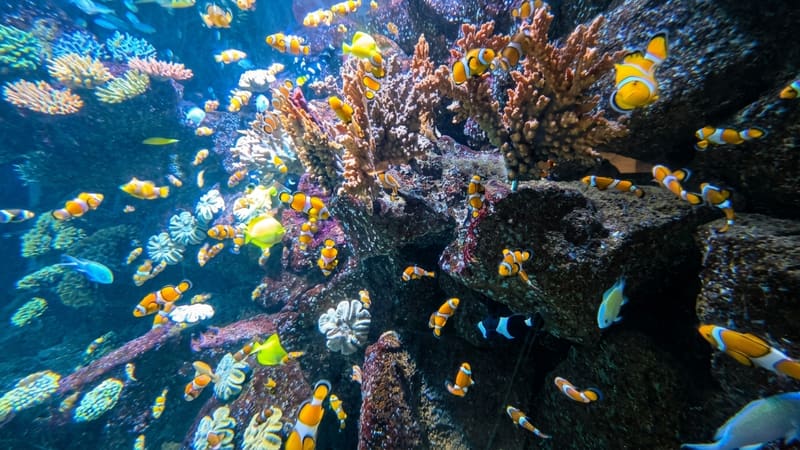
Poema del Mar Aquarium
Das Poema del Mar ist ein modernes Großaquarium direkt am Hafen von Las Palmas. Es zeigt auf rund 12.500 m² Meereswelten aus aller Welt, von tropischen Riffen bis zur Tiefsee. Ein Highlight ist das riesige Panoramafenster, hinter dem Haie, Rochen und Schwärme zu sehen sind. Der Besuch ist für Familien ebenso lohnend wie bei Regenwetter.


Common questions
What makes Firgas Gran Canaria special?
Firgas is known as the "Village of Water" and famous for its mineral water "Agua de Firgas", which is drunk throughout all the Canary Islands. Its landmark is the Paseo de Gran Canaria, a stepped promenade with a 30-meter-high waterfall and ceramic benches.
What's the best way to get to Firgas?
Firgas is best reached by car, as the drive from Las Palmas takes only 30 minutes, while the bus takes over 1 hour. From Playa del Ingles it's 1 hour by car, 2 hours or more by bus.
What can you see in Firgas?
In Firgas you can visit the Paseo de Gran Canaria with its 30-meter-high waterfall and 22 ceramic benches, the Paseo de Canarias with reliefs of all seven Canary Islands, and the Plaza San Roque with its church and town hall. There's also a historic water mill and six circular hiking trails.
When is the festival in Firgas?
Firgas celebrates the festival of its patron saint San Roque in August with a procession, romería, livestock market, the "Traída del Palo" and the "Noche de San Roque" with folk music.
Is there an admission fee to visit Firgas?
Visiting Firgas is free of charge. The town combines well with Arucas, Teror, and the north coast.