Nature · Mogán
Los Azulejos - Rainbow Rocks
In the middle of the barren volcanic landscape in the southwest of Gran Canaria, the spectacular rock walls of Los Azulejos de Veneguera glow in intense shades of green, blue, and red. This geological natural wonder resembles colorful tile mosaics and is best admired directly from a viewpoint on the winding panoramic road GC-200.

The Rainbow Rocks of Gran Canaria: The Natural Wonder Los Azulejos de Veneguera
A colorful natural spectacle awaits you in the southwest of Gran Canaria. Where you'd normally expect a barren, volcanic mountain landscape, rock walls suddenly glow in intense shades of green, blue, and red. Los Azulejos de Veneguera are a geological work of art, formed by the primordial forces of the earth and now one of the most fascinating photo subjects in the Canary Islands.
Ariot of color in stone: What can you see?
The most striking feature of Los Azulejos is their extraordinary color palette. The rocks shimmer in turquoise, emerald green, ochre, and deep red tones. They're named after the Azulejos - the famous Portuguese and Spanish ceramic tiles - as the shiny rock layers resemble artful mosaics.
The colors glow most intensely right after a rain shower, when water washes the stones, or in the warm light of the late afternoon sun. Right on the winding country road GC-200, there's a viewpoint with a small juice bar (personally highly recommended!), where you can park, enjoy the view, and take spectacular vacation photos.
The story behind the colors: A fiery legacy
The formation of this feature dates back millions of years and is closely linked to Gran Canaria's fiery past.
- The primordial volcano: Around 14 million years ago, the island was the scene of massive volcanic eruptions from the Tejeda volcano.
- Chemical magic: During the explosions, extremely hot gases, ash, and liquid magma collided. The enormous heat and pressure caused the minerals in the rock (particularly hydrothermal and silicic acids) to change their chemical structure.
- The creation of the colors: The striking green and blue resulted from the transformation of volcanic glass into clay minerals (such as celadonite). The red and yellow tones come from oxidized iron.
The hidden highlight: The temporary waterfalls
If you want to do more than just admire the rocks while driving by, you can lace up your hiking boots. A steep, challenging hiking trail leads up into the Inaguanature reserve.
The absolute highlight for explorers appears in winter or after heavy rainfall: The colorful rock channels then transform into natural slides for the mountain water. Temporary waterfalls (Los Charcones)form, cascading over the colored rock walls and collecting in small, clear natural pools at the base of the rocks. An unforgettable sight that perfects the already magical panorama.
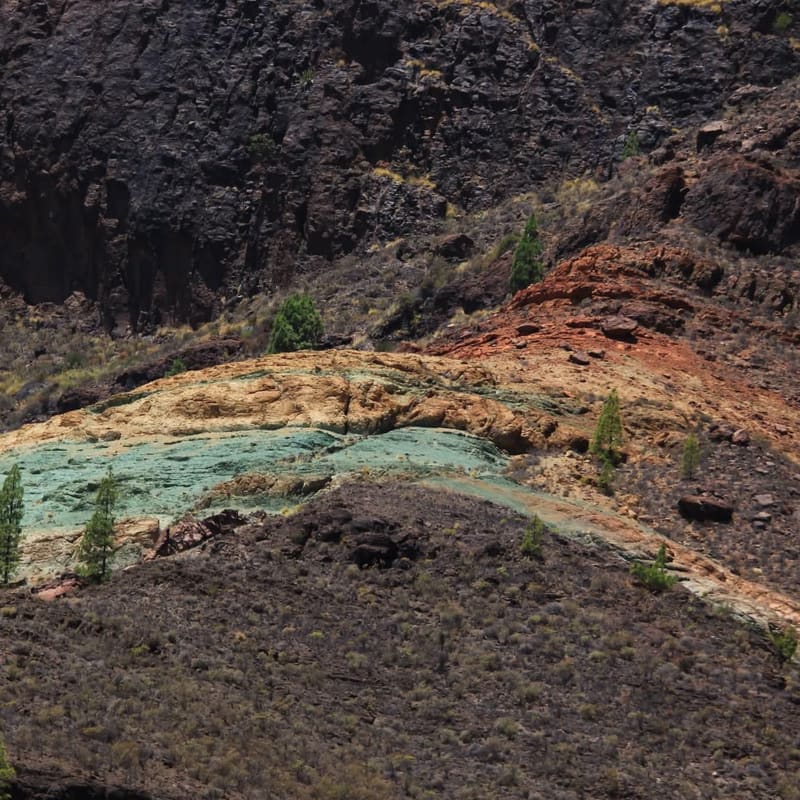
Foto: Robert F. 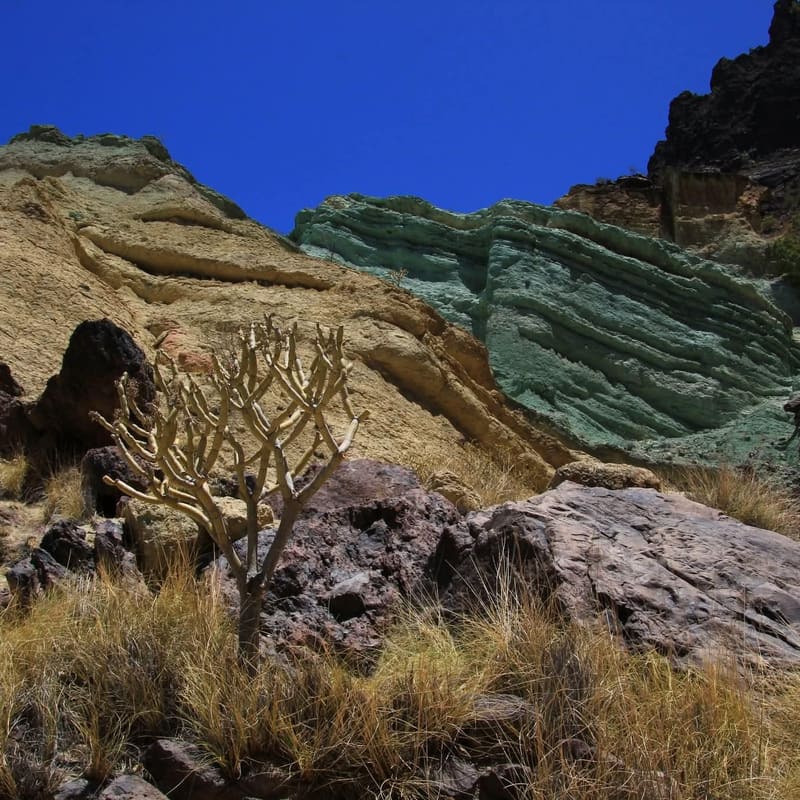
Foto: Robert F. 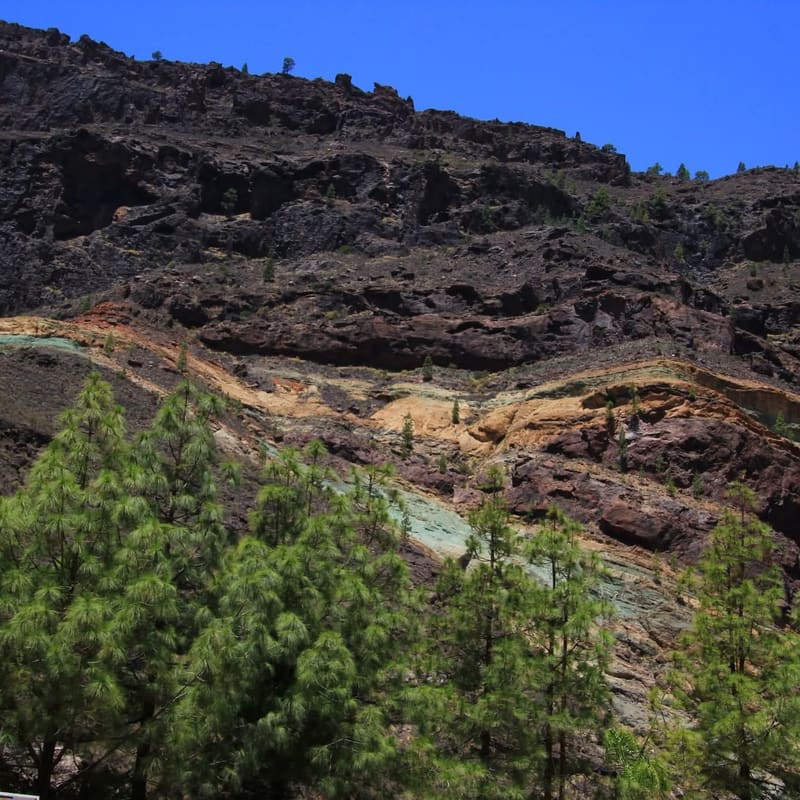
Foto: Robert F.


Lage
In der Nähe
Strand
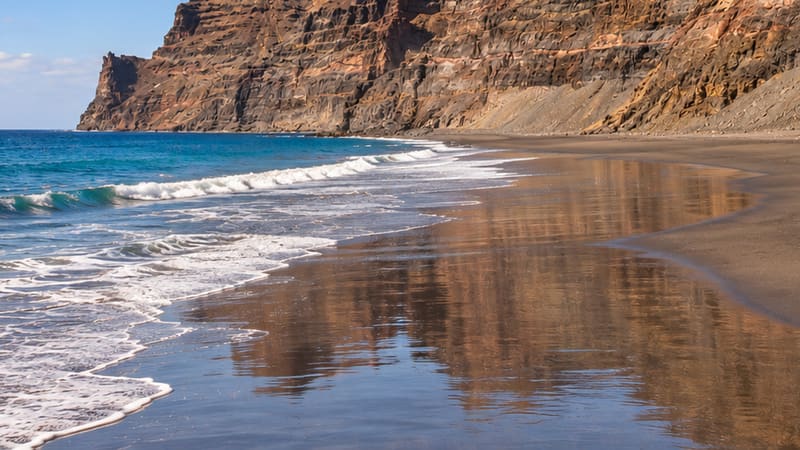
Playa de Güigüí
Die Playa de Güigüí ist einer der einsamsten und wildesten Strände von Gran Canaria. Der Strand liegt an der Westküste, umrahmt von hohen Felswänden, und ist nur zu Fuß oder mit dem Boot erreichbar. Wer den langen Weg auf sich nimmt, wird mit Ruhe, dunklem Sand und einem Naturerlebnis belohnt.
Ort
Lomo Quiebre / Puerto de Mogán
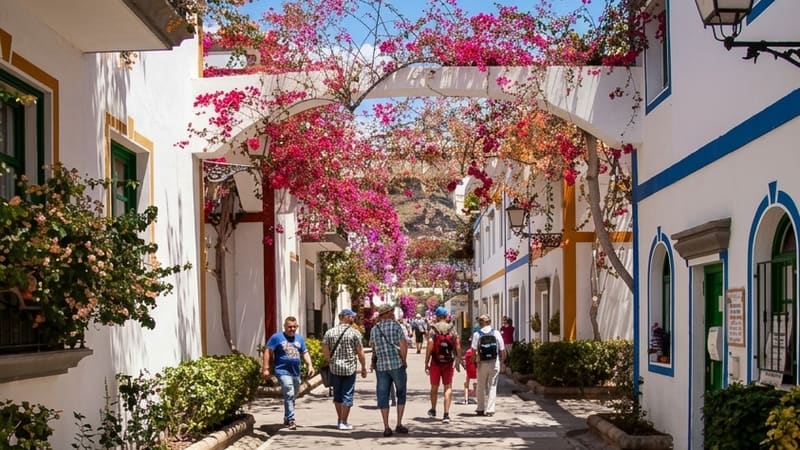
Weiß getünchte Häuser, Drillingsblume (Bougainvillea) und kleine Brücken über Kanäle: Puerto de Mogán gehört für uns zu den schönsten Orten der Insel. Lomo Quiebre ist der Name des Wohngebiets, in dem viele Unterkünfte liegen.
Aussichtspunkt
Mirador del Balcón
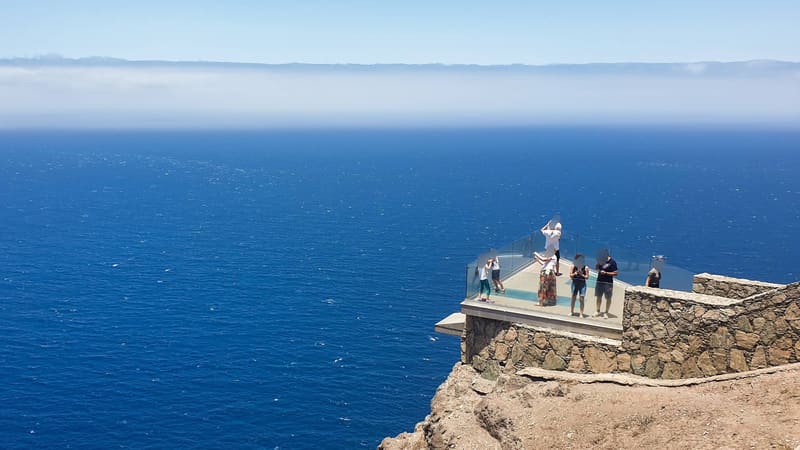
Ein magischer Ort am Rande Gran Canarias! Vom Mirador del Balcón genießt du einen spektakulären Blick auf die steil abfallende Küste und den endlosen Atlantik. Bei guter Sicht zeigt sich am Horizont sogar der imposante Teide auf Teneriffa. Ein Moment zwischen Himmel und Meer, den du so schnell nicht vergessen wirst
Natur
Roque Nublo
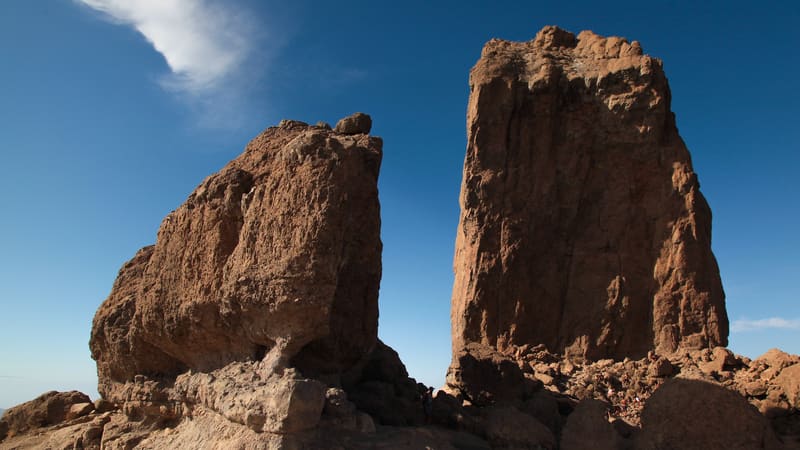
Ein über 80 Meter hoher Basaltfels über den Wolken und das Wahrzeichen der Insel. Seit 2025 gelten für den beliebtesten Weg neue Regeln: Reservierung, kein Parkplatz am Start und Shuttlebus. So planst du den Besuch richtig.


Common questions
Where are the rainbow rocks on Gran Canaria?
Los Azulejos de Veneguera are located in the southwest of Gran Canaria on the winding panoramic road GC-200. There's a viewpoint with a small juice bar where you can park and admire the colorful rock walls.
Why are the rocks at Los Azulejos so colorful?
The colorful hues of Los Azulejos were created by volcanic activity around 14 million years ago. The striking green and blue resulted from the transformation of volcanic glass into clay minerals like celadonite, while the red and yellow tones come from oxidized iron.
When do the rainbow rocks shine most beautifully?
The colors of Los Azulejos shine particularly intensely right after a rain shower, when the water washes the stones, or in the warm light of the late afternoon sun.
Can you hike to the Azulejos?
Yes, a steep, challenging hiking trail leads from Los Azulejos up into the Inagua Nature Reserve. In winter or after heavy rainfall, temporary waterfalls form there, cascading over the colorful rock faces.
What does the name Los Azulejos mean?
Los Azulejos is named after the famous Portuguese and Spanish ceramic tiles, as the shiny rock layers resemble intricate mosaics.